

The post Claude Found a Novel Enzyme System Experts Missed, and Nobody Knows What It Does appeared on BitcoinEthereumNews.com.
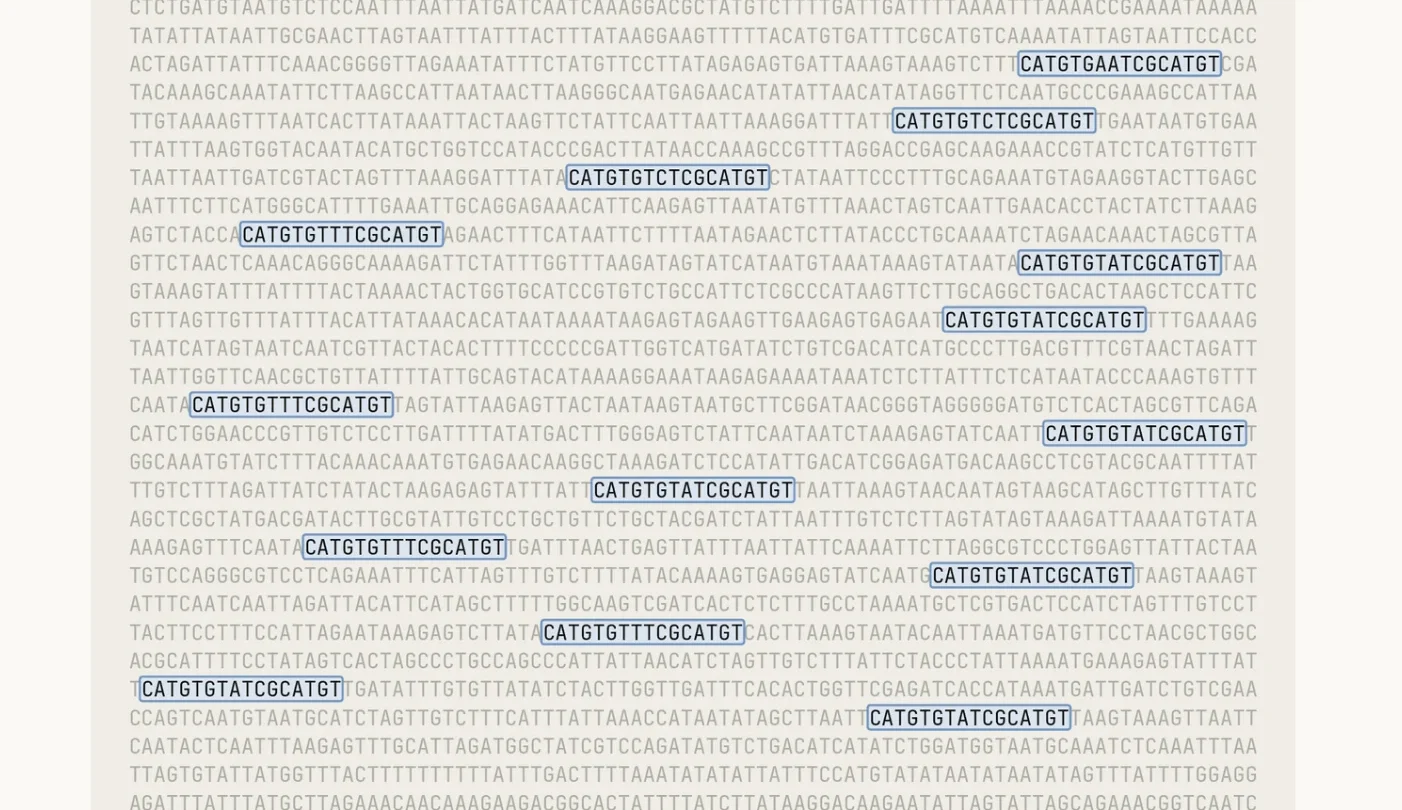
Anthropic says Claude has discovered a previously unknown enzyme system in the DNA of viruses that infect bacteria. Earlier studies had recorded the enzyme at its core but appear to have missed what surrounds it. Anthropic published the findings on September 23. The findings stand as key evidence that AI can now spot patterns human experts overlooked. But what exactly does this discovery mean? Why Should Anyone Outside a Lab Care? Many discoveries that changed medicine began with a scientist noticing something odd in nature. Scientists’ use of restriction enzymes, found in bacteria, helped launch the biotechnology industry. An enzyme from a Yellowstone hot spring became the basis for PCR. That DNA-copying method now sits behind much of modern medical testing. Claude has now taken that noticing step with only broad direction from Anthropic’s scientists. Anthropic CEO Dario Amodei argues this fits a wider pattern. In 2023, AI models struggled with high-school math. By late 2026, he says, they are beginning to solve some of the hardest open problems in the field. He believes AI for biology is on a similar curve. If he is right, Amodei says faster discovery could reveal new drug targets and new kinds of treatments. It would not shorten clinical trials, but it could send far more promising candidates into the drug pipeline. He has previously written that AI could help cure most diseases in 5 to 10 years. He calls that goal just barely possible. For now, human scientists still run every experiment, and the new system’s function remains unknown. What Exactly Is CRISPR? Bacteria face constant attacks from viruses called bacteriophages, or phages. Many bacteria defend themselves with a system called CRISPR. CRISPR works like a memory bank. Bacteria store short snippets of DNA from past invaders between repeating sequences, and scientists call…