

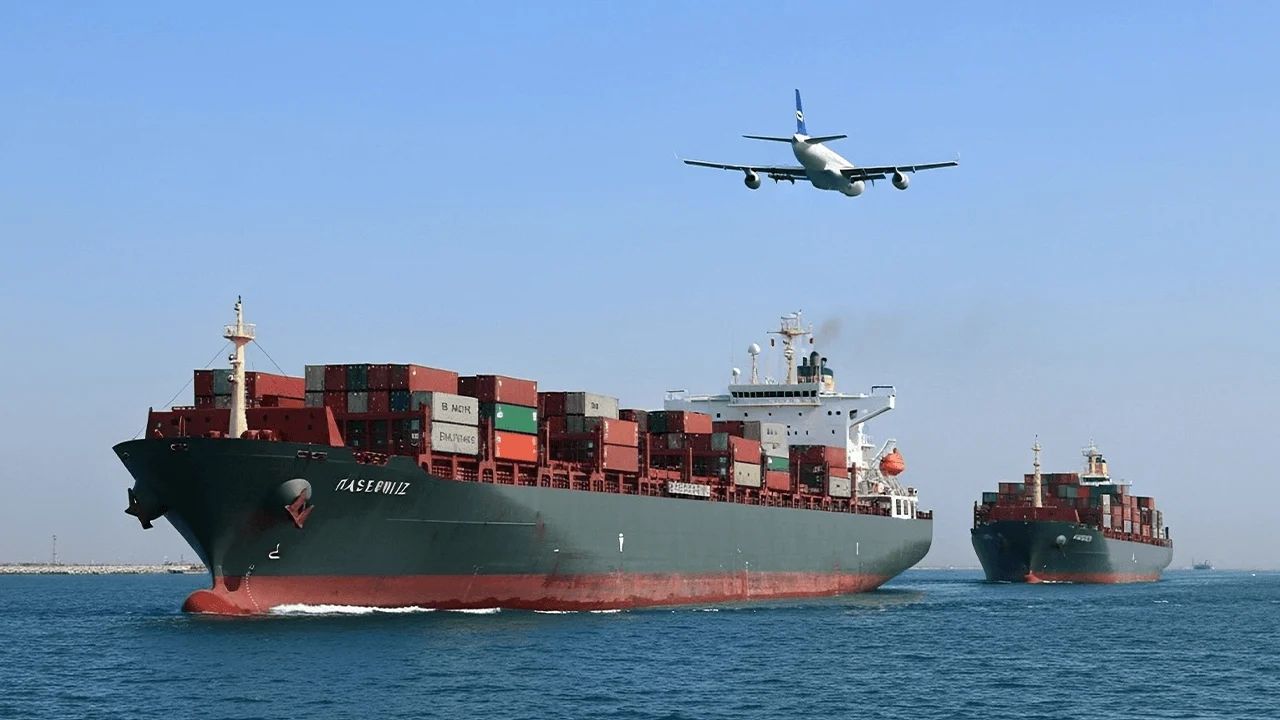
Iran has signaled that maritime traffic through the Strait of Hormuz could resume within approximately one week, provided that the United States lifts its blockade and eases military pressure. This development arrives as Bitcoin trades near $84,000, while broader risk assets face pressure from rising Treasury yields and Brent crude oil hovering around $104.
Meanwhile, the CME FedWatch tool indicates the probability of an October Federal Reserve interest rate hike is currently above 70%, introducing additional strain to financial markets.
Seven Days to Reopen Hormuz? Markets Are Doing the Math
A vital global oil transit route has experienced months of severely restricted operations, but Tehran indicates that passage through the Strait of Hormuz could be restored in about a week if Washington rolls back its military pressure and blockade. This prospect is currently part of discussions between the United States and Iran on the sidelines of the United. Nations General Assembly in New York, with Qatar acting as a mediator.
According to Reuters sources, Iran has stated its willingness to reopen the waterway under these terms, while President Donald Trump confirmed that negotiations remain ongoing. While no formal agreements have been finalized, financial markets are reacting closely to developments regarding a chokepoint that typically handles roughly one-fifth of global oil supplies. Simultaneously, President Trump has engaged in discussions with Chinese President Xi Jinping concerning “Super Intelligence (SI).”
Hormuz Has Become the Bargaining Chip
After months of conflict, the proposed initial measure involves Washington relaxing its naval blockade in exchange for Tehran initiating the reopening of the strait. Following U.S. and Israeli airstrikes in late February, Iran mined the waterway, effectively shutting it down. Consequently, commercial shipping dropped significantly from a prewar rate of 120 to 140 vessels daily to just a few verified transits each day.
The two nations have previously attempted similar agreements. In June, President Trump and Iranian President Masoud Pezeshkian endorsed a 14-point memorandum focused on resuming commercial shipping and removing the U.S. blockade. Nevertheless, that accord collapsed within weeks due to disagreements over designated shipping routes.
Frequently Asked Questions
- How quickly could the Strait of Hormuz reopen according to Iran?
Iran states that the strait could potentially reopen within about seven days if the U.S. lifts its blockade and reduces military pressure. - What role are other nations playing in these negotiations?
Qatar is serving as a mediator in talks between the United States and Iran taking place around the U.N. General Assembly in New York. - How has the closure of the strait affected shipping traffic?
Commercial traffic has dropped sharply from a prewar average of 120 to 140 vessels per day down to only a handful of daily transits. - Have the U.S. and Iran previously attempted to resolve this issue?
Yes, President Trump and Iranian President Masoud Pezeshkian signed a 14-point memorandum in June to restore commercial traffic and lift the blockade, though it dissolved within weeks over route disputes.