

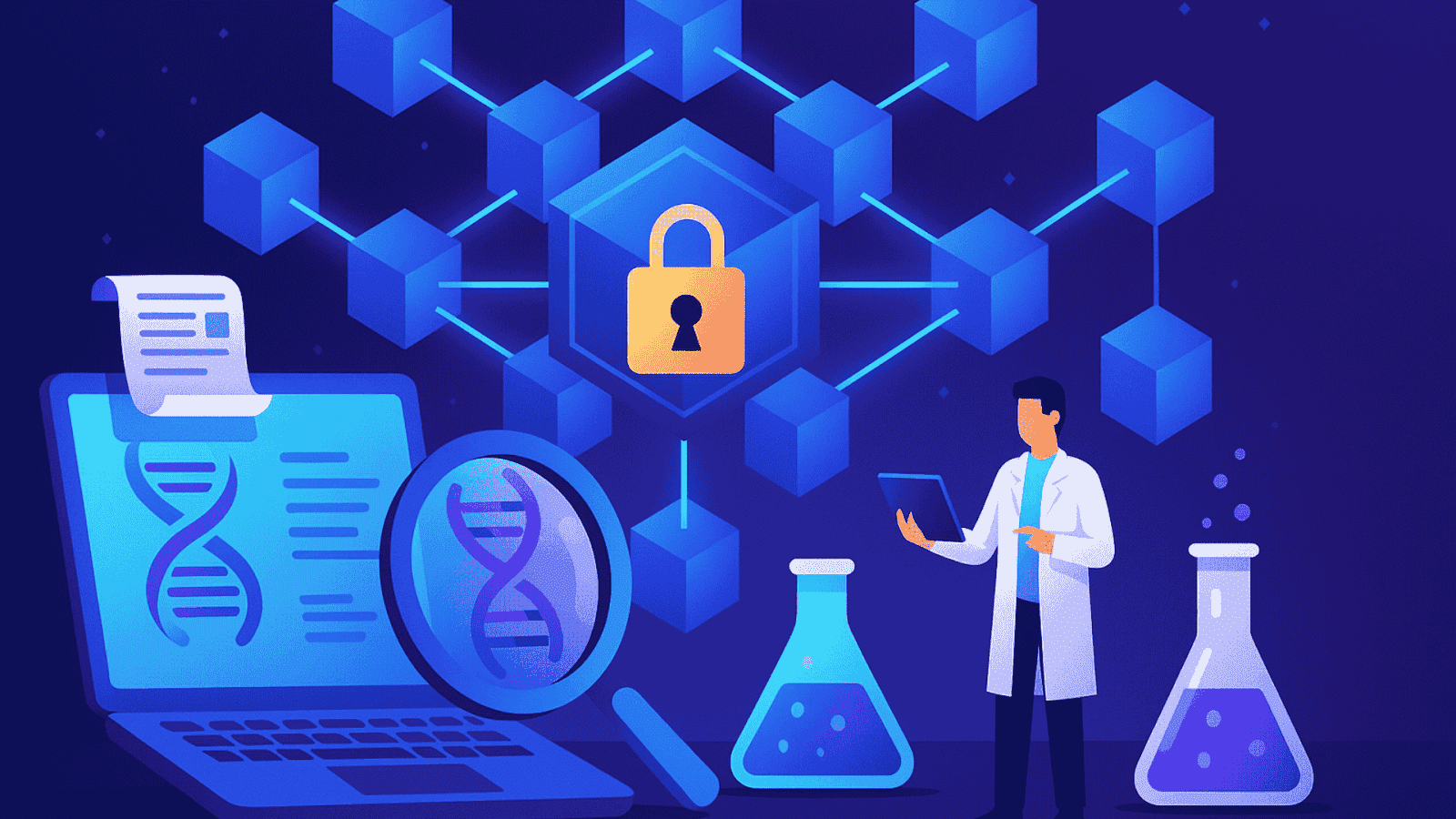
Scientific research has long been confined by institutional walls — slow grant approvals, costly access to journals, and centralized control over funding and publication. But in 2025, a growing movement known as Decentralized Science, or DeSci, is reengineering how science is funded, shared, and validated.
Born out of Web3 ideals like transparency, decentralization, and permissionless innovation, DeSci is bringing science onto the blockchain — and with it, a new wave of open collaboration, peer funding, and global accessibility that traditional systems have struggled to offer.
What DeSci Is — and Why It Matters Now
At its core, DeSci is a set of tools and principles that bring scientific work on-chain. It encompasses blockchain-based publishing, decentralized grant funding, tokenized incentives for peer review, and open data repositories governed by DAOs.
Why now? The tipping point came during the COVID-19 pandemic when the limits of legacy systems became obvious. Researchers couldn’t access vital papers behind paywalls. Funding for critical studies lagged for months. And the pace of scientific discovery was throttled by bureaucracy.
Fast forward to 2025, and DeSci platforms are letting researchers publish instantly, raise funding directly from global supporters, and store findings in publicly verifiable formats. The model isn’t just more efficient — it’s more inclusive and accountable.
A New Funding Pipeline for Researchers
One of DeSci’s biggest breakthroughs is in how research gets funded. Traditional grants often take a year or more to secure, with high rejection rates and opaque review processes. In DeSci, scientists can launch projects through blockchain-based platforms like Gitcoin, SCINET, or Molecule, presenting their work to the public — not just committees.
Instead of convincing a handful of reviewers, they can attract micro-contributions from a wide network of supporters: other scientists, patient advocacy groups, or even tokenized investment DAOs. Contributors get governance rights, NFTs representing fractional ownership, or access to early-stage findings.
This model is especially powerful for niche or early-stage research that’s often ignored by big institutions. Rare disease studies, psychedelic medicine, and open-source biotech — all are finding new life thanks to direct community support.
Ownership and Access Are Being Rewritten
In the traditional publishing world, research papers often end up behind paywalls — even when publicly funded. DeSci flips that model. Findings are stored on decentralized file systems like IPFS or Arweave, making them accessible to anyone.
Researchers can timestamp their work on-chain, proving authorship without waiting for peer review. In many cases, they retain full ownership and can license their data or results however they choose.
NFTs have also found a surprising role here — not as collectibles, but as proof of contribution. Early backers of a research paper or experiment can hold NFTs linked to its publication, offering prestige and even governance power in future project directions.
DAOs Are Replacing Traditional Gatekeepers
Scientific DAOs — decentralized autonomous organizations — are functioning like research collectives with built-in governance. They pool funding, vote on which projects to back, and sometimes even provide lab space or data resources.
Take VitaDAO, for example. It funds longevity research and uses token-weighted votes to decide where to allocate capital. The model is transparent and merit-driven and moves faster than traditional review boards. Members range from scientists and students to crypto investors and biohackers.
This structure not only diversifies who gets to contribute to science — it makes the process more agile. Proposals can be greenlit in days, not months, and updates are tracked publicly, keeping researchers accountable without burying them in paperwork.
Incentivizing Peer Review and Reproducibility
Peer review has long been a pain point in science: often thankless, slow, and inconsistent. DeSci introduces incentive models where reviewers are compensated — sometimes in tokens — for reviewing, replicating, or validating results.
Platforms like ResearchHub and ReviewDAO are testing token rewards for rigorous reviews and reproducibility studies. This flips the old academic script, where career advancement came from publishing more, not validating others’ work.
In a DeSci model, being a great reviewer or data validator becomes a first-class contribution — visible on-chain and tied to a researcher’s reputation wallet or soulbound credentials.
Open Collaboration Across Borders
One of the most powerful outcomes of DeSci is how it connects researchers globally, especially those outside elite institutions. Scientists from emerging markets can publish, fundraise, and collaborate without needing affiliation from a Western university or journal.
This borderless, permissionless environment is not only more inclusive — it’s also accelerating discovery. Teams can share data instantly, fork prior work, and build on each other’s progress without navigating red tape.
Even AI is getting involved, with on-chain tools helping match researchers to funding opportunities or datasets using decentralized reputation systems.
Challenges and Growing Pains
Of course, DeSci isn’t without its hurdles.
Academic legitimacy remains a barrier. Many traditional institutions still don’t recognize DeSci publications or NFT-based contributions in tenure decisions. Legal frameworks around tokenized research ownership are also murky, especially when it comes to IP rights.
And like all things blockchain, user experience can be a hurdle. Wallet management, gas fees, and onboarding remain technical and unfamiliar for many researchers.
But these challenges aren’t slowing things down — if anything, they’re drawing attention to how rigid the old system has become. With billions in potential funding and a growing library of open research, DeSci is beginning to look less like a fringe experiment and more like the next evolution of science itself.
Looking Ahead: A Parallel System or a Replacement?
In 2025, DeSci isn’t yet replacing the traditional academic pipeline — but it’s building a serious alternative. For some researchers, it’s a way to bypass roadblocks. For others, it’s a primary source of funding, publication, and collaboration.
As more institutions take notice — and as younger scientists grow up in both worlds — we’re likely to see more crossover. Universities might start accepting DAO-funded research in grant applications. Journals could integrate blockchain timestamps into submission systems. Hybrid models may emerge.
But make no mistake: the shift is underway. DeSci is decentralizing not just how we fund and publish science, but who gets to participate in it.
And for a world facing global challenges — from climate change to pandemics — that shift couldn’t come at a better time.